
A torn meniscus can cause knee pain, swelling, and instability, making it challenging to stay active. However, the right exercises can help you maintain strength and mobility while protecting your knee as it heals. It’s important to focus on gentle, controlled movements that do not place excessive stress on the meniscus. Below are the exercises my team and I at Hospital for Special Surgery typically recommend during the early weeks of recovery — they are deliberately low-load and pain-free, and they form the base of nearly every meniscus rehab plan we send to physical therapy.
Why Exercise Matters After a Meniscus Tear
Targeted exercise after a meniscus tear protects the joint by strengthening the muscles that offload the knee — quadriceps, hamstrings, and glutes — while keeping range of motion within a pain-free arc. Loaded immobility is what drives stiffness, quad atrophy, and slower healing. The right program reduces pain, supports the body’s own meniscal healing response in the vascular peripheral zone, and prevents the deconditioning that makes return to sport much harder later. It also matters which exercises you avoid: open-chain knee extension and deep loaded flexion can shear the tear and delay recovery, so they come out of the program until later phases.
Exercise helps maintain muscle strength, joint stability, and range of motion — all of which are critical for recovery from a meniscal injury. Always consult your physician or physical therapist before starting any exercise routine, as recommendations may vary depending on the severity and location of your tear.
Safe Exercises for a Torn Meniscus
1. Quad Sets
These exercises are simple contractions of the quadriceps muscle without moving the knee. Sit with your leg straight and tighten the muscle on the front of your thigh, holding for five seconds, then relax. Repeat several times. This exercise helps maintain muscle strength without putting stress on the knee joint
2. Heel Slides
In this exercise, lie on your back with your legs straight. Slowly slide your heel toward your buttocks, bending your knee as far as is comfortable, then slide it back out. This gentle movement helps restore knee flexion and extension without excessive pressure on the meniscus.
3. Ankle Pumps
While sitting or lying down, flex your foot up and down at the ankle. This simple exercise improves circulation, reduces swelling, and helps prevent blood clots, especially if you’re less mobile after injury or surgery.
4. Gravity-Assisted Knee Flexion
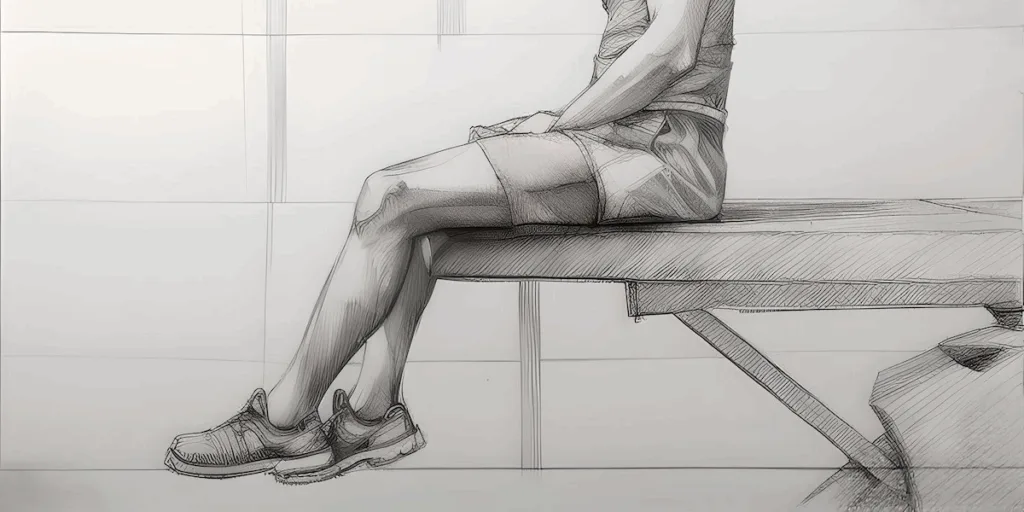
Sit on a chair and let your lower leg dangle, gently swinging it back and forth. This exercises uses gravity to help regain knee motion without forcing the joint, making it a safe way to improve flexibility.
5. Patellar Mobilization
Gently move your kneecap up, down, and side-to-side with your fingers. This exercises can help prevent scar tissue and maintain mobility in the knee joint after injury or surgery.
6. Stationary Bike (as approved by your doctor)
Once you have regained some range of motion and your doctor or physical therapist approves, gentle cycling on a stationary bike is an exercise that can help restore mobility and build endurance without high impact.
What to Avoid
Open chain knee extension exercises (such as using a leg extension machine) and deep squats or lunges should be avoided, as they can put excessive strain on the meniscus and delay healing.
The Importance of Professional Guidance
Every meniscal tear is unique, and your exercise plan should be tailored to your specific injury and recovery stage. It’s important to follow the instructions of your orthopedic surgeon and physical therapist to ensure a safe and effective recovery. If you experience increased pain, swelling, or instability during any exercise, stop and consult your care team.
For more information on meniscal tears, symptoms, and recovery — including detailed exercise guidelines — read this meniscal tear resource.
If you have more questions about a torn meniscus, see these additional posts:
- 5 Exercises to Avoid With a Torn Meniscus
- 5 Symptoms of a Torn Meniscus That Will Self-Heal
- How To Know When You Should Have a Torn Meniscus Surgically Repaired