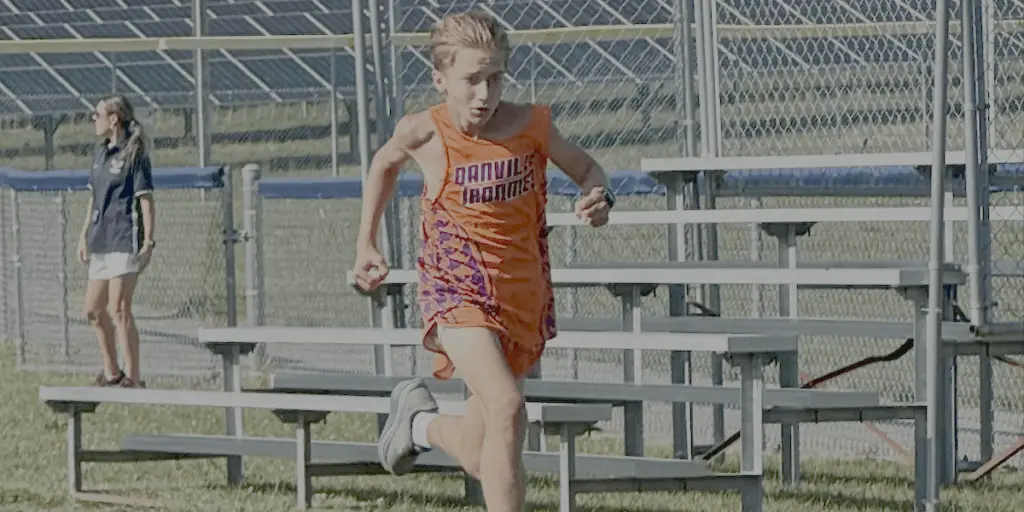
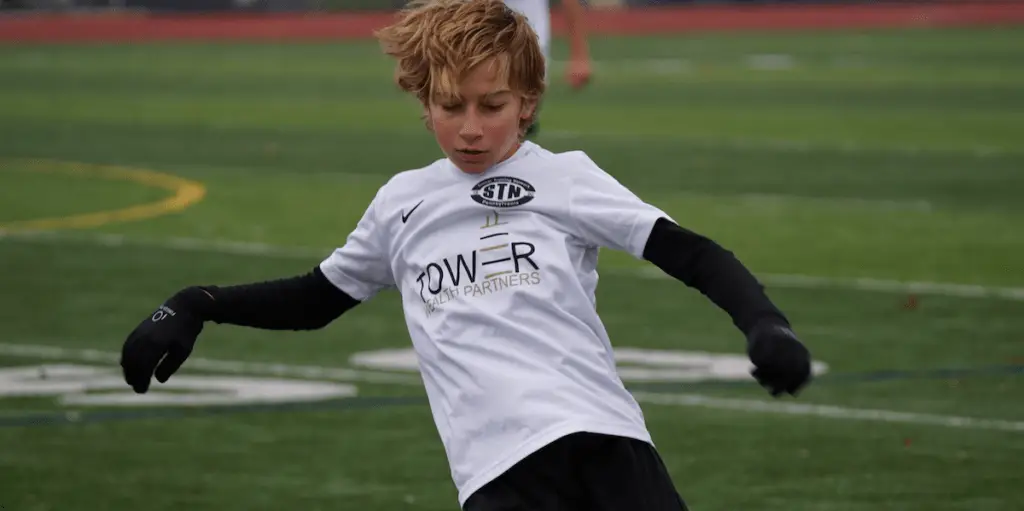
I want to share a story about my adorable 13-year-old nephew. He is the typical 8th-grade boy who loves to ski, plays travel soccer, and runs track and cross country at his middle school. Just before Christmas, he had a knee injury at a soccer game but was able to keep playing. His mom, my sister, said it didn’t seem like he had really injured himself — it seemed like a pretty normal tackle. She thought he had hurt it, but not really badly.
But on the 5-hour drive from Danville, PA, where they live, to my house in Quogue, NY, he complained to his parents that his knee was sore. My sister wasn’t particularly worried because he was walking just fine. The holiday was crazy with 16 people at my house, and somehow, I never got a chance to look at his knee. Yet his pain persisted. He could walk and even run, but then the knee injury felt worse.
On my recommendation, he got an MRI the next week. It showed that he had torn his meniscus and sprained his ACL. In my practice at Hospital for Special Surgery in New York, I do see this happen quite often — a patient comes in with a remote history of a knee injury that was brushed off, and then presents months later with recurrent instability, a giving-way knee, and a meniscal tear that has now extended. The first injury was the warning shot; the second one is the one that ends a season.
I would suggest that any injury resulting in swelling, limping, an audible pop, or a knee that gives way be taken seriously — especially in teenagers and active adults. Significant swelling within the first few hours of injury (a hemarthrosis) is one of the strongest predictors of an internal derangement such as an ACL tear, a peripheral meniscal tear, or a patellar dislocation with cartilage injury. In my nephew’s case, the MRI confirmed that his knee injury was indeed serious. He started physical therapy, and his local doctor has now allowed him to return to running — and he’s planning to participate in spring soccer with his school.
In some cases, patients are not so fortunate. They return to cutting sports — soccer, basketball, lacrosse, skiing — on a knee that is missing an intact ACL or has an unrecognized meniscal tear, and the knee gives way again. Each giving-way episode can extend a meniscal tear, damage articular cartilage, and accelerate the long-term arthritis risk. That secondary damage often does more long-term harm than the original injury.
Warning signs that a knee injury is serious
Any of these findings after a knee injury should prompt evaluation rather than waiting to see if it settles:
- Swelling within the first few hours — a hemarthrosis suggests bleeding inside the joint and is associated with ACL tears, peripheral meniscal tears, and cartilage injuries.
- An audible pop at the moment of injury — frequently reported with ACL ruptures and patellar dislocations.
- The knee giving way — a sense that the knee buckled or shifted, which points to ligamentous injury.
- Inability to bear weight — particularly in adolescents, where it can indicate a fracture, an osteochondral injury, or a displaced meniscal tear.
- True mechanical locking — when the knee gets stuck and won’t fully straighten, this often signals a displaced bucket-handle meniscal tear that needs prompt treatment.
- Pain that persists or worsens after several days of relative rest, ice, and activity modification.
For families in the New York metro area, evaluation by a sports-trained orthopedic surgeon — combined with a focused physical exam and, when warranted, an MRI — is the fastest way to distinguish a sprain from a structural injury. The cost of an MRI and a single visit is far smaller than the cost of returning to play on an unrecognized ACL tear and re-injuring the meniscus or cartilage.
Risks and what to expect
It is reasonable to feel some hesitation about seeing an orthopedic surgeon for a knee injury — many patients tell me they were worried we would jump straight to surgery. We don’t. The first visit is an evaluation: history, physical exam, and imaging if needed. Many knee injuries — including some meniscal tears and partial ligament sprains — are managed without an operation. When surgery is the right choice, MRI imaging, anatomy, and the patient’s sport and goals all factor into the plan. Like any procedure, knee surgery carries risks including infection, stiffness, and graft retear, and we discuss those individually for each patient.