
A torn meniscus is a common knee injury, but not every tear requires surgery. In fact, many minor meniscal tears can heal on their own with the right care and patience. Understanding which symptoms suggest your meniscus tear might self-heal can help you make informed decisions about your treatment and recovery.
What Kind of Meniscus Tears Can Heal on Their Own?
The meniscus has two main zones: the outer “red zone,” which has a good blood supply, and the inner “white zone,” which has little to no blood supply. Tears located in the outer third of the meniscus—especially small, longitudinal tears—are more likely to heal naturally because the blood supply in this area supports tissue regeneration. Tears in the inner two-thirds are far less likely to heal without intervention due to limited blood flow.
Symptoms of a Meniscus Tear That May Self-Heal
If you have a minor meniscal tear, you might notice these five symptoms:
- Mild pain along the joint line of the knee, especially during twisting or squatting, but not enough to significantly limit daily activities.
- Some swelling or stiffness that improves with rest, ice, and anti-inflammatory medication.
- A sensation of tightness or mild discomfort, but you can still bend and straighten your knee fully.
- No significant locking, catching, or giving way of the knee.
- The ability to walk and perform light activities without your knee feeling unstable or “stuck.”
If your symptoms are limited to mild pain and swelling, and you do not experience mechanical symptoms like locking or persistent instability, there’s a good chance your tear is small. With conservative treatment—such as rest, ice, compression, elevation, and physical therapy—these tears often become asymptomatic in a few weeks.
When to Seek Medical Advice
Even if your symptoms seem mild, it’s important to consult a knee specialist for a proper diagnosis. Early intervention can help you recover faster and prevent further complications. If your pain, swelling, or instability worsens, or if your knee begins to lock or catch, you should see an orthopedic surgeon to discuss your options.
Conservative Treatment Tips
For minor meniscal tears, recommendations include:
- Resting your knee and avoiding activities that aggravate symptoms.
- Using ice and anti-inflammatory medication to reduce swelling.
- Engaging in physical therapy to strengthen the muscles around your knee and restore range of motion.
- Gradually returning to normal activities as your symptoms improve.
If you follow these steps and your symptoms steadily improve, you may avoid surgery altogether. However, if conservative management does not relieve your symptoms, or if your knee becomes unstable, further evaluation may be necessary.
For more information on meniscal tears, their symptoms, and treatment options, read more about meniscal tears and torn meniscus.
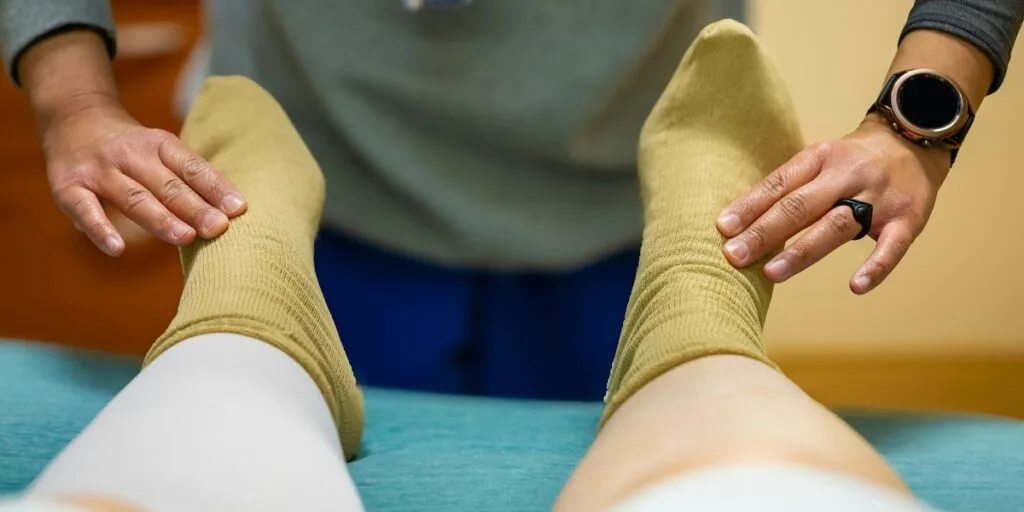
Photo by Judy Beth Morris on Unsplash