
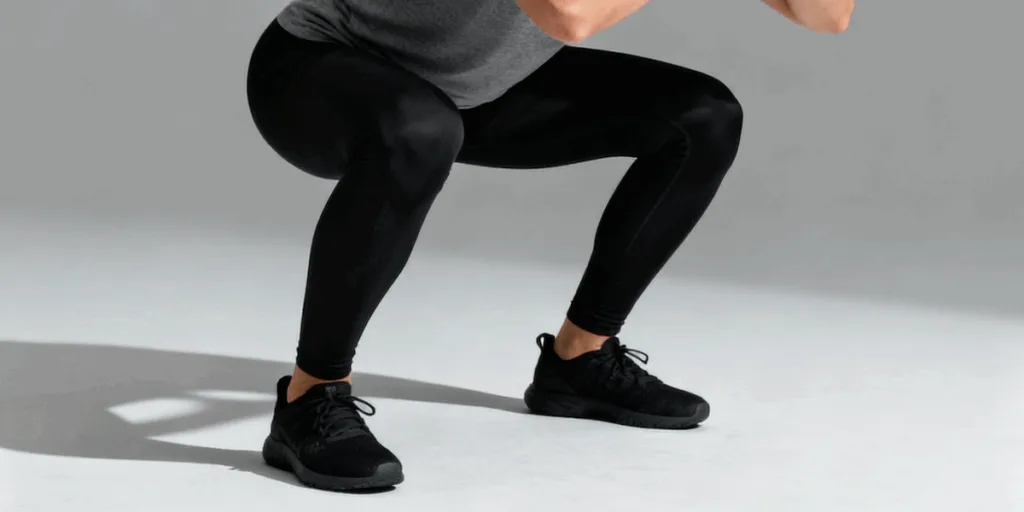
Quick Summary
Knee pain when squatting most often points to a patellofemoral problem (chondromalacia, patellar tendinitis, or kneecap malalignment) or a meniscal tear, because squatting compresses the kneecap and loads the meniscus. Pain that is sharp, swells, locks, or follows an injury should be evaluated by an orthopedic specialist. Most cases improve with relative rest, technique correction, and targeted physical therapy.
If you have knee pain when squatting, the cause is usually a problem with the kneecap (patella), the cartilage beneath it, or the meniscus. Squatting compresses the patellofemoral joint and loads the meniscus far more than walking — joint contact forces can reach several times bodyweight at deep flexion. Persistent pain during this movement is the knee’s way of telling you a structure is not tolerating that load.
What Are the Most Common Causes of Knee Pain When Squatting?
In our practice at Hospital for Special Surgery, the four diagnoses we see most often for squat-related knee pain are chondromalacia patella, meniscal tears, patellar or quadriceps tendinitis, and kinetic-chain weakness involving the hips and glutes. Identifying which one is driving your pain determines whether you need rest, physical therapy, or a surgical evaluation.
Knee Chondromalacia (Chondromalacia Patella)
Chondromalacia is the softening and breakdown of the cartilage under the kneecap. This can lead to pain, swelling, and decreased mobility, especially after activity. It is more common in women, in part because of hip-knee biomechanics and patellar tracking. The pain is usually felt around or under the kneecap and can worsen with squatting — particularly with weighted squats or deep squats — or with prolonged sitting (the so-called “movie-theater sign”). Related reading: chondromalacia symptoms and treatment.
Meniscal Tear
A meniscal tear can also cause pain during squats, particularly if aggravated by bending and twisting motions. The meniscus acts as a shock absorber in the knee, and a tear can cause pain, swelling, and sometimes a catching or locking sensation. You may feel pain along the sides or back of your knee, especially if you squat and twist at the same time. If you suspect a tear, see exercises to avoid with a torn meniscus and six exercises that can help.
Tendinitis
Repetitive force from activities like running, jumping or squatting can inflame the tendons around the knee, especially the patellar tendon (just below the kneecap) and the quadriceps tendon (just above the kneecap). This inflammation, known as tendinitis, can cause pain during squats and other knee-bending activities. For a deeper look at managing this, see our piece on managing patellar tendinopathy.
Muscle Imbalances or Weakness
Weakness in your glutes, hips, or thigh muscles can put extra stress on your knee joint during squats. Limited ankle mobility or poor squat technique often contribute as well — the knee gets blamed for what the hip or ankle is not doing. Strengthening the muscles around your knee and improving your squat form can meaningfully reduce discomfort. Band-assisted squats are one technique we recommend for offloading the kneecap during rehab.
When Should You See a Doctor for Squatting Knee Pain?
See an orthopedic surgeon with knee expertise if your pain appears suddenly after an injury, if you have severe swelling or instability, if your knee locks or catches, or if pain has not improved after 4–6 weeks of rest and activity modification. Early imaging — typically an MRI — is the fastest way to rule out meniscal tears or significant cartilage damage that will not resolve on their own.
Persistent or worsening pain warrants a professional evaluation. Most patients I see for squat-related knee pain have already tried 4–8 weeks of self-care; the imaging tells us whether we are dealing with a structural problem (a tear, a cartilage lesion) or a load-management problem (technique, strength, training volume). The treatment paths are very different.
What Can You Do at Home to Reduce Squat-Related Knee Pain?
For most squat-related knee pain, the right starting point is relative rest, ice after activity, and shallower squats that stop before pain begins. A short course of physical therapy that strengthens the glutes, quads, and hip stabilizers — combined with technique correction — resolves a large fraction of cases without imaging or surgery.
- Rest and modify activities that aggravate your knee pain.
- Do not squat as deep — stop before it hurts. Partial squats above 60 degrees of flexion dramatically reduce patellofemoral pressure.
- Apply ice for 15–20 minutes after activity to reduce swelling.
- Try physical therapy to strengthen the muscles around the knee and improve your squat technique.
- Gradually increase activity to avoid overloading the joint — the “10% rule” for weekly volume increase is a reasonable guideline.
- Consult a specialist if pain persists more than 4–6 weeks or interferes with your daily life.
Related Reading on Knee Pain and Activity
For more information about knee pain when squatting, its causes, and different treatment options, visit these resources:
- Patellar Pain and Patellar Arthritis
- Knee Chondromalacia, Arthritis, and Tendonitis
- Meniscal Tear or Torn Meniscus
- Why Knees May Hurt Going Up Stairs
- Why Does My Knee Hurt Going Down Stairs?
- 6 Common Causes of Knee Pain When Running
Do not ignore knee pain with squatting. Early attention can help you recover faster and prevent further injury to your knee — and in many cases avoids the need for surgery entirely. To discuss your symptoms with a knee specialist, you can request an appointment with our New York City office.
Frequently Asked Questions
Should I stop squatting if my knees hurt?
Not necessarily — but you should modify the movement. Stop squatting as deep, avoid weighted squats, and pause before the point of pain. If pain persists with a shallow, body-weight squat, rest the joint and consult an orthopedic specialist before resuming.
Is knee pain when squatting a sign of arthritis?
It can be, but not always. Pain under or around the kneecap during squats is more often patellofemoral pain, chondromalacia (early cartilage softening), or patellar/quadriceps tendinitis. Persistent pain with stiffness and swelling — especially in patients over 50 — should be evaluated for osteoarthritis.
Why does my knee only hurt on deep squats and not partial squats?
Contact pressure on the kneecap increases sharply once the knee bends past 60 degrees. Deeper squats also load the meniscus and the cartilage at the back of the joint more heavily. Pain isolated to deep squatting often points to cartilage involvement behind the kneecap or to a meniscus tear, particularly when combined with twisting.
Will squatting cause long-term damage to my knees?
Squatting with proper technique is generally safe and even beneficial for knee health. Pain during squatting is the warning sign — pushing through pain can accelerate cartilage wear or worsen a meniscal tear. Modify depth, fix technique, and address pain early to avoid long-term damage.
When should I see an orthopedic surgeon for squatting knee pain?
See an orthopedic specialist if pain persists more than 4–6 weeks despite rest and activity modification, if the knee swells, locks, catches, or gives way, or if pain follows a specific injury. Early evaluation rules out meniscal tears or significant cartilage damage that may require surgical care.