
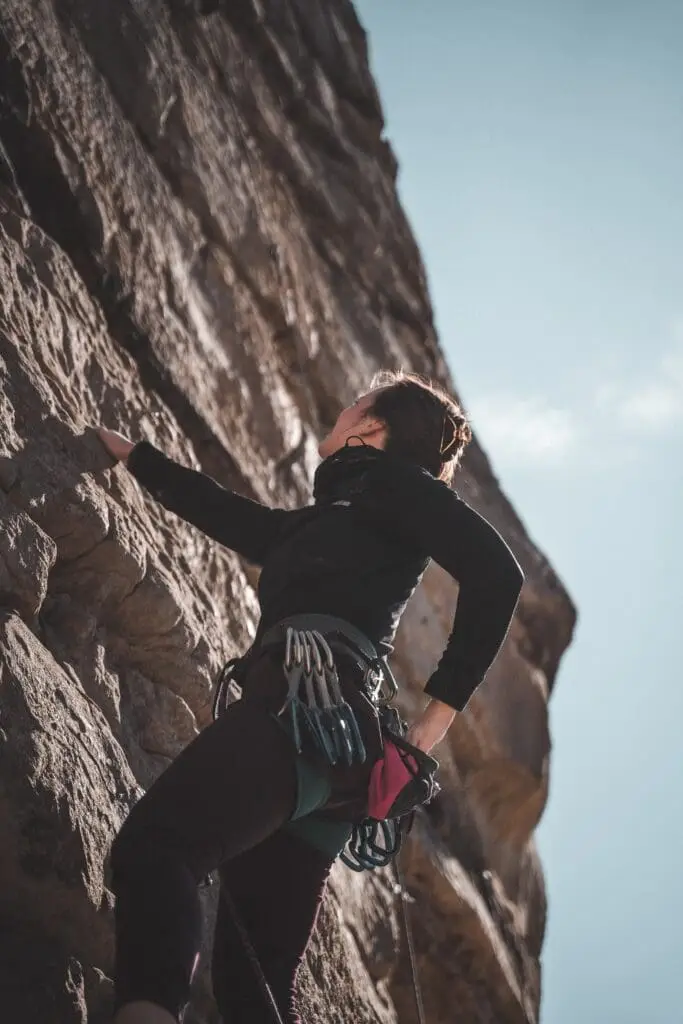
Returning to Climbing After an ACL Tear

Quick Summary

Climbers who tear their ACL — typically from a bouldering fall or twisting auto-belay drop — almost always need ACL reconstruction before safely returning to the wall. Recovery is structured over 9–12 months: protected motion early, progressive strength work, then sport-specific reloading on slab and top-rope before overhangs and hard heel-hooks. Climbers cleared by objective hop and strength testing — not calendar months alone — return with much lower retear risk.

Climbing after an ACL Tear
For the climbers out there, I found an article in climbing.com. As an orthopaedic surgeon in New York City, I don’t see a lot of climbing injuries.
 
That said, I have seen some pretty bad ligament injuries over the years, including several ACL injuries sustained from a fall, typically when bouldering or falling on a climbing wall.
 
The advice in this article is overall sound. If you injure your knee when climbing and you felt a pop, or if it hurts for more than a few days or if it swells, seek out an orthopaedic surgeon to make sure that you didn’t tear something.
 
If you get some bad news and you did tear your ACL, then you are going to need surgery to safely return to a sport like rock climbing. After surgery you will need extensive rehab over 9-12 months in order to get back to tip top shape. 
 
Read “How to Return to Climbing After an ACL Tear” on climbing.com. 

Photo by Cade Prior on Unsplash

Frequently Asked Questions

Can you climb again after an ACL reconstruction?

Yes — most climbers can return to bouldering, sport, and trad climbing after a properly reconstructed ACL. The timeline is usually 9 to 12 months, and clearance is based on specific strength and hop tests rather than just the calendar. I generally start patients with low-angle slab and top-rope before progressing to overhanging routes or hard heel-hooks that load the graft.

How does climbing injure the ACL in the first place?

Most climbing-related ACL tears I see come from awkward falls — usually bouldering falls onto a pad or auto-belay drops where the foot lands fixed and the knee twists or hyperextends. Heel-hook positions and dynamic moves can also produce twisting loads. The pivot-and-land pattern is mechanically similar to the cutting injuries we see in soccer or basketball.

When should I see an orthopedic surgeon after a climbing knee injury?

See a surgeon if you felt or heard a pop, the knee swelled within a few hours, or pain and instability persist beyond a few days. Those signs strongly suggest a ligament or meniscus tear, and an MRI plus exam will confirm the diagnosis. Early evaluation lets us protect the meniscus and plan surgery, if needed, before secondary damage occurs.

Related Reading

Considering treatment for a knee or shoulder concern?

Dr. Sabrina Strickland sees patients at Hospital for Special Surgery in New York City. If you would like a personalized evaluation of your symptoms and options, request a consultation below.

Book an appointment Contact the office
Medical Disclaimer. This content is for informational purposes only and does not constitute medical advice, diagnosis, or treatment. Always consult with a qualified physician regarding any questions about your orthopedic health. Individual results may vary based on diagnosis, anatomy, and overall health.
Doctor reviewPENDING