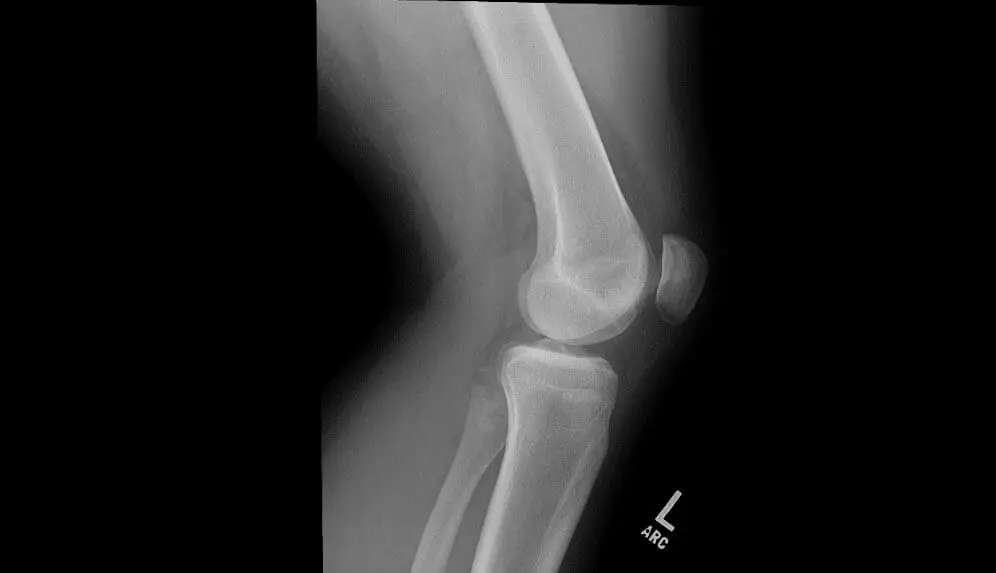
Editorial Commentary: Two Fixation Points Are Better for MPFL Reconstruction

Quick Summary

Medial patellofemoral ligament (MPFL) reconstruction has become the standard surgical treatment for recurrent patellar instability, outperforming MPFL repair and medial imbrication for most patients. Recent evidence supports using two femoral fixation points rather than one to better recreate the native ligament's broad insertion and improve patellofemoral kinematics — particularly relevant for patients with trochlear dysplasia or recurrent dislocations.

Two Fixation Points Are Better for MPFL Reconstruction

Medial patellofemoral ligament (MPFL) reconstruction has gained in popularity over the past 15 years, with most studies showing a clear advantage over techniques such as MPFL repair or medial imbrication for the treatment of patellar instability. A debate continues as to the type of fixation on the patella, tunnel versus suture anchor, as well as the number of fixation points. In fact, some senior patellofemoral surgeons have opted away from patellar bony fixation altogether to avoid complications associated with patellar fixation such as fracture or penetration of the articular cartilage. In my practice, I prefer to use 2 all-suture suture anchors for patellar fixation as there is minimal risk of fracture or significant cartilage damage compared with tunnel drilling or placement of larger suture anchors. The graft choice for MPFL reconstruction has been shown to be relatively unimportant, and for this reason, I typically choose gracilis allograft to avoid graft-site morbidity and hamstring weakness.

 

Frequently Asked Questions

Why is MPFL reconstruction usually preferred over MPFL repair?

MPFL repair — suturing the torn native ligament — has higher recurrence rates than reconstruction with a tendon graft, especially when underlying anatomy (trochlear dysplasia, patella alta, elevated TT-TG distance) predisposes to instability. Reconstruction creates a stronger, more reliable restraint and is the standard for recurrent patellar dislocations in my practice.

What is the advantage of two fixation points on the femur?

The native MPFL has a broad fan-shaped insertion on the femur. A two-point fixation more closely recreates this anatomy, distributing force across a wider footprint and improving how the patella tracks through the early flexion arc. In selected patients — those with dysplasia or revision cases — this has been associated with improved outcomes.

Is MPFL reconstruction enough on its own, or do I need a tibial tubercle osteotomy?

MPFL reconstruction is sufficient for many patients with recurrent dislocations. When there's significant patella alta, an elevated TT-TG distance, or severe trochlear dysplasia, I add a tibial tubercle osteotomy — and occasionally a trochleoplasty — to address the underlying bony alignment. The decision is based on imaging measurements and exam findings, not symptoms alone.

Related Reading

Considering treatment for a knee or shoulder concern?

Dr. Sabrina Strickland sees patients at Hospital for Special Surgery in New York City. If you would like a personalized evaluation of your symptoms and options, request a consultation below.

Book an appointment Contact the office
Medical Disclaimer. This content is for informational purposes only and does not constitute medical advice, diagnosis, or treatment. Always consult with a qualified physician regarding any questions about your orthopedic health. Individual results may vary based on diagnosis, anatomy, and overall health.
Doctor reviewPENDING