
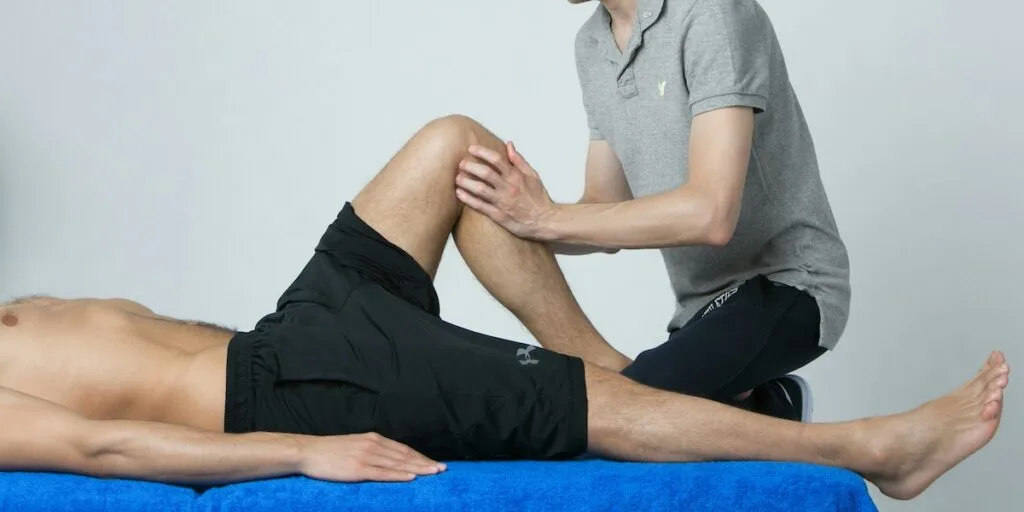
Do You Have Knee Pain?

Quick Summary

Knee pain has many causes — from runner's overuse and patellofemoral syndrome to meniscus tears, ligament injuries, and early osteoarthritis. The pain's location, what makes it better or worse, and any mechanical symptoms (locking, catching, giving way) point toward the diagnosis. A focused exam and selective imaging usually identify the source within one visit, and most non-surgical knee problems improve with targeted rehabilitation, training-load adjustments, and time.

Do You Have Knee Pain?

Running and triathlons put a lot of strain on your knees, making knee pain a common challenge for athletes. While a minor ache might seem like no big deal, it can quickly become a major obstacle if you don’t address it. The good news is, with the right strategies, you can manage the pain and keep doing the sports you love.

Read more on A Triathlete’s Diary.

Photo by yury kirillov on Unsplash

Frequently Asked Questions

When should I see an orthopedic surgeon for knee pain?

Persistent pain beyond 2–3 weeks despite rest and simple measures, mechanical symptoms (locking, catching, giving way), inability to bear weight, and significant swelling are reasons to seek orthopedic evaluation. Acute injuries with a 'pop,' rapid swelling, or instability warrant earlier evaluation. A primary care physician or physical therapist is also a reasonable first step for less acute, non-mechanical pain.

Does knee pain always need imaging?

No — many cases of knee pain are diagnosed by history and exam alone, particularly patellofemoral pain and overuse tendinopathies. I order X-rays for trauma, persistent symptoms, or arthritis evaluation, and MRI when there is suspected ligament, meniscus, or cartilage injury. Imaging without clinical context can show incidental findings that may not be the cause of pain.

What's the difference between runner's knee and a meniscus tear?

Runner's knee (patellofemoral pain) typically causes diffuse anterior knee pain that's worse with stairs, prolonged sitting, and running downhill, without true mechanical locking. Meniscus tears more often cause line-of-joint pain, catching, or locking and follow a specific twisting injury. The two can coexist but respond to different treatments — patellofemoral pain to rehabilitation, meniscus tears sometimes to surgery.

Related Reading

Considering treatment for a knee or shoulder concern?

Dr. Sabrina Strickland sees patients at Hospital for Special Surgery in New York City. If you would like a personalized evaluation of your symptoms and options, request a consultation below.

Book an appointment Contact the office
Medical Disclaimer. This content is for informational purposes only and does not constitute medical advice, diagnosis, or treatment. Always consult with a qualified physician regarding any questions about your orthopedic health. Individual results may vary based on diagnosis, anatomy, and overall health.
Doctor reviewPENDING